


Where to find fossils in the UK
Fossils can be found in many places around the UK, but there are some famous sites where they can be collected easily and legally. Here we provide a few examples. One of the best ways to guarantee a fun and safe afternoon of fossil collecting is to join a guided fossil hunting tour.
Dorset and Devon coast
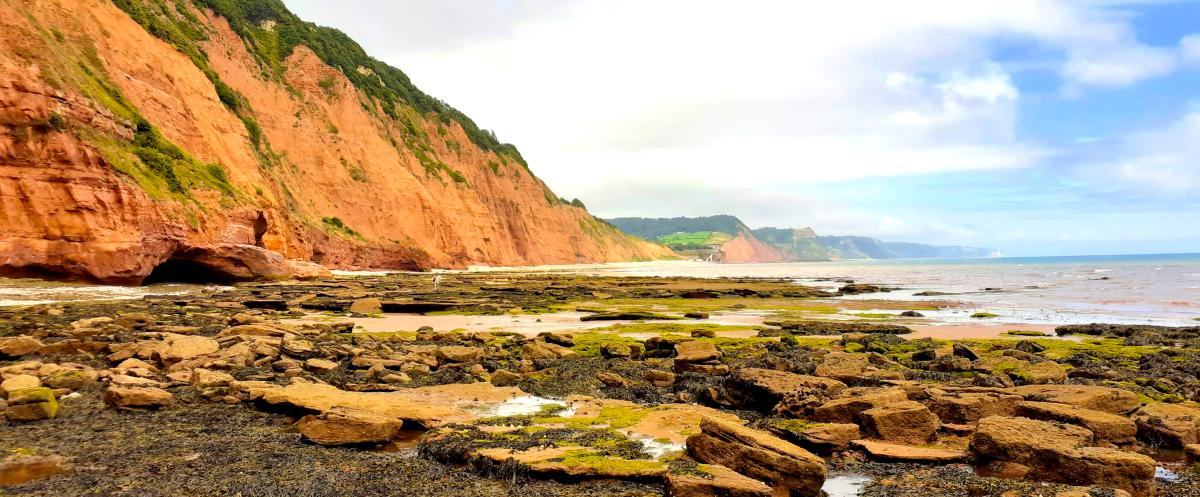
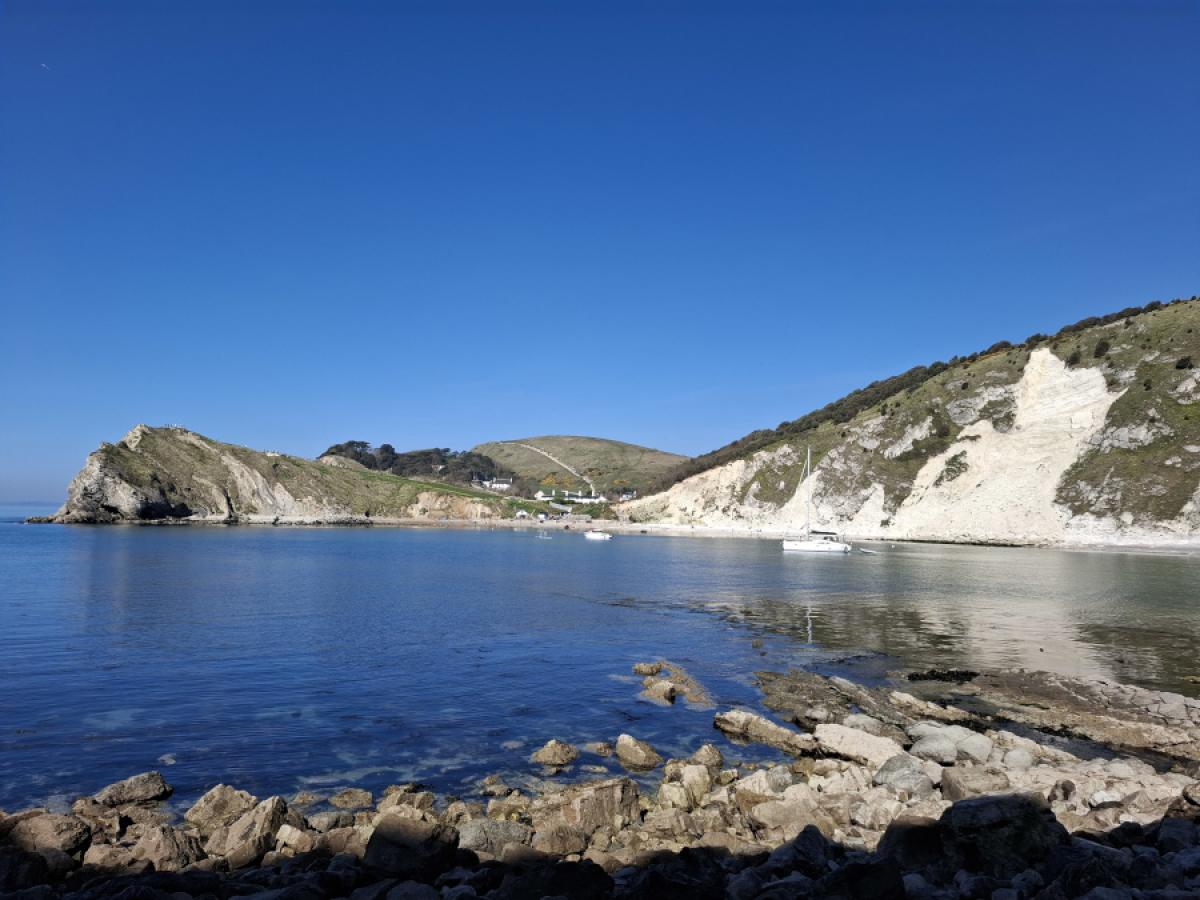
The Jurassic Coast is a UNESCO World Heritage Site which was designated in 2001 for its diverse rocks and fossils. The rapidly eroding cliffs of the area contain the remains of marine reptiles and invertebrate animals that swam in a warm, tropical sea between about 200 and 145 million years ago in the Jurassic. Their remains can easily be found on beaches, especially between Charmouth and Lyme Regis.
You can find more information about fossil hunting on the Jurassic coast at the Visit Dorset website. The Charmouth Heritage Coast Centre runs guided fossil hunting walks on the beach, and you can also take your finds there to be identified.
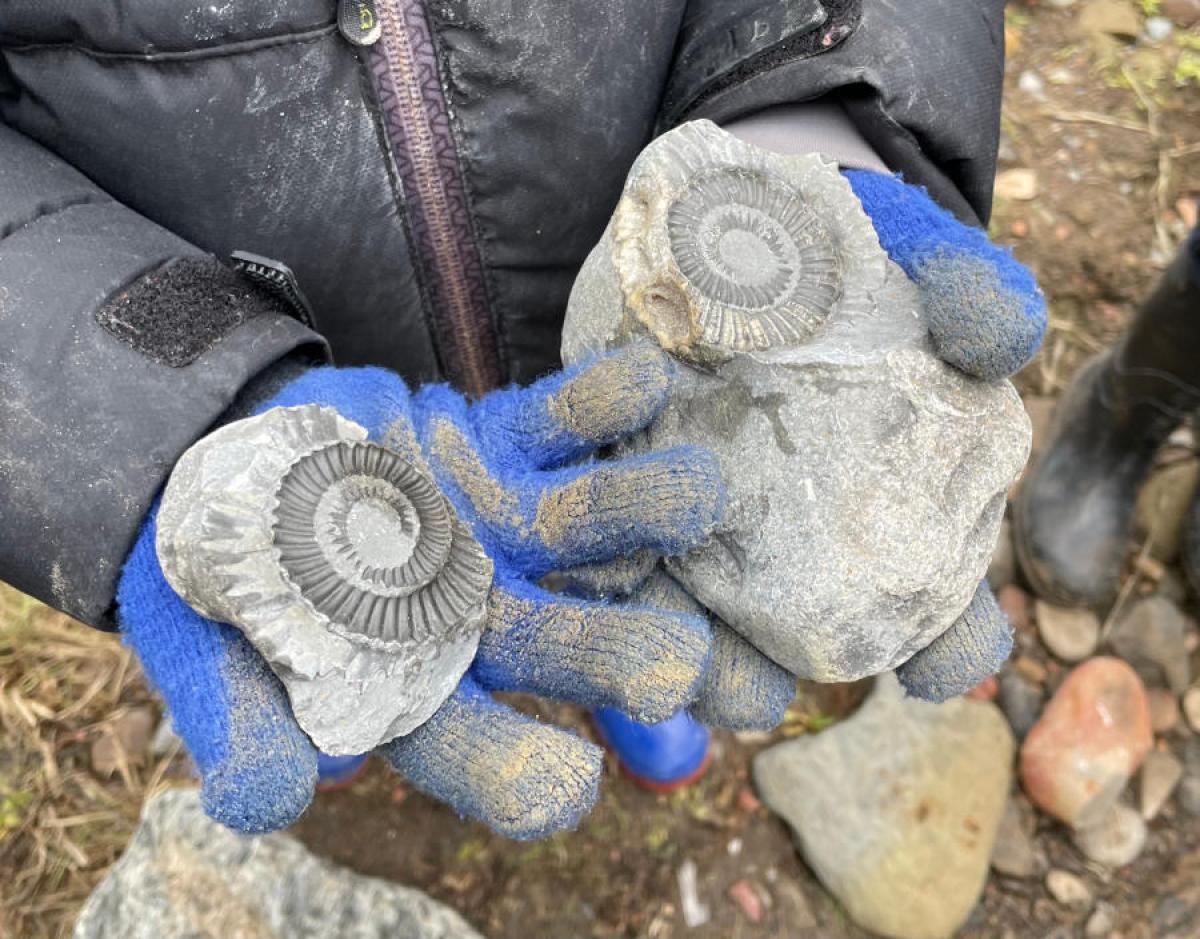
You can expect to find many ammonites and belemnites on the Dorset and Devon coast. If you find something more unusual, please take it to the Charmouth Heritage Coast Centre, who keep a database of scientifically significant finds from the area.
Remember to only collect fossils from the beach. The cliffs are dangerous and rock falls are common. You also need the landowner’s permission to excavate anything directly from the cliffs themselves.
Isle of Skye
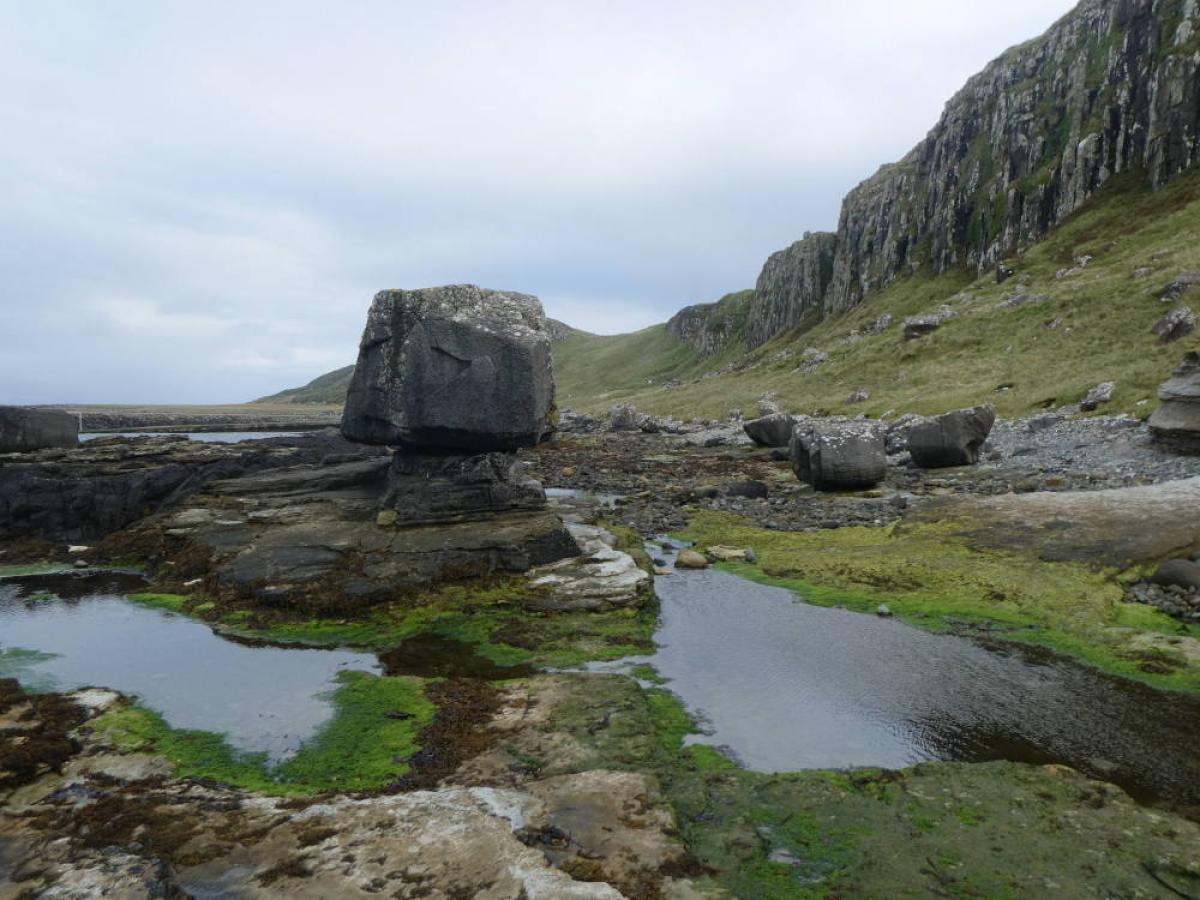
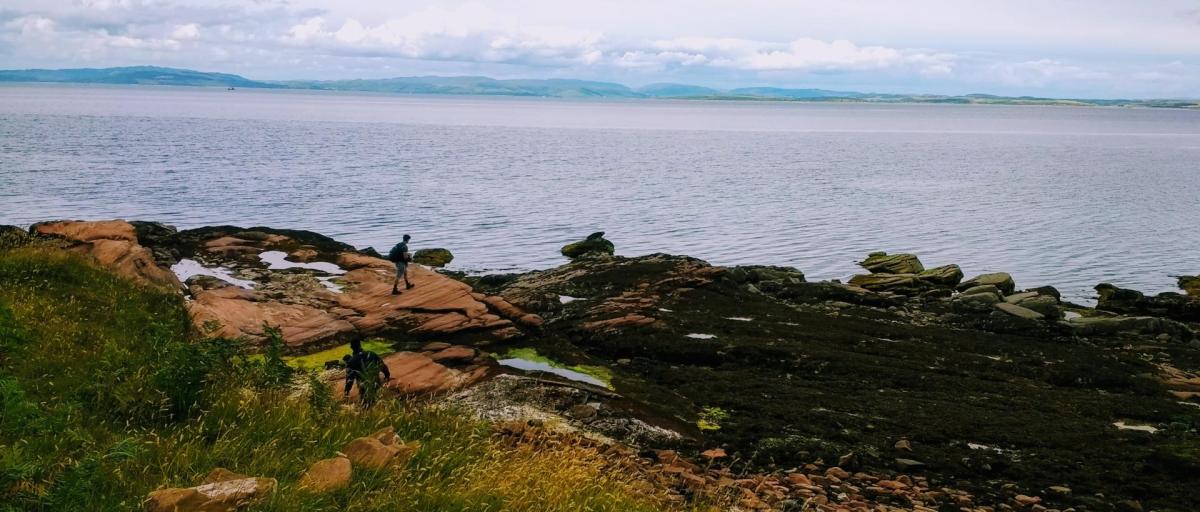
During the Jurassic, the Isle of Skye was covered in shallow seas and estuaries. Marine fossils such as ammonites and belemnites are common, dinosaur footprints are relatively abundant, and marine reptiles have also been found. Some stunning recent discoveries are revealing the smaller animals that ran around the feet of the dinosaurs.
Fossils can be collected on Skye, but there are some locations which are Sites of Special Scientific Interest and others that are affected by Nature Conservation Orders, and collecting is not permitted there. NatureScot provides details about collecting on Skye, and when collecting anywhere in Scotland, you should first consult the Scottish Fossil Code, which recommends seeking permission from the landowner before any fossil collecting takes place.
Isle of Wight
130 million years ago, the area which is now the Isle of Wight was home to a wide diversity of dinosaurs, pterosaurs (flying reptiles) and many other Cretaceous animals. Their remains have been found on the southwest coast of the Island for over 100 years, and new dinosaurs continue to be named from the rocks of the Island every year.
Although you’ll be lucky to find a whole dinosaur, their footprints can easily be seen at low tide on the beach at Hanover Point, and bone fragments and other fossils can be found in the shingle in Brook Bay and Compton Bay. The National Trust has useful advice about fossil hunting in Compton Bay and Wight Coast Fossils offer a range of guided fossil walks.
Remember to only collect fossils from the beach. The cliffs are dangerous and rock falls are common. You also need the landowner’s permission to excavate anything directly from the cliffs themselves. Some sites on the Isle of Wight coast are Sites of Special Scientific Interest and collecting in these areas is not allowed. Check the section Fossil collecting laws: what you should know before you go for details about those areas.
Yorkshire coast
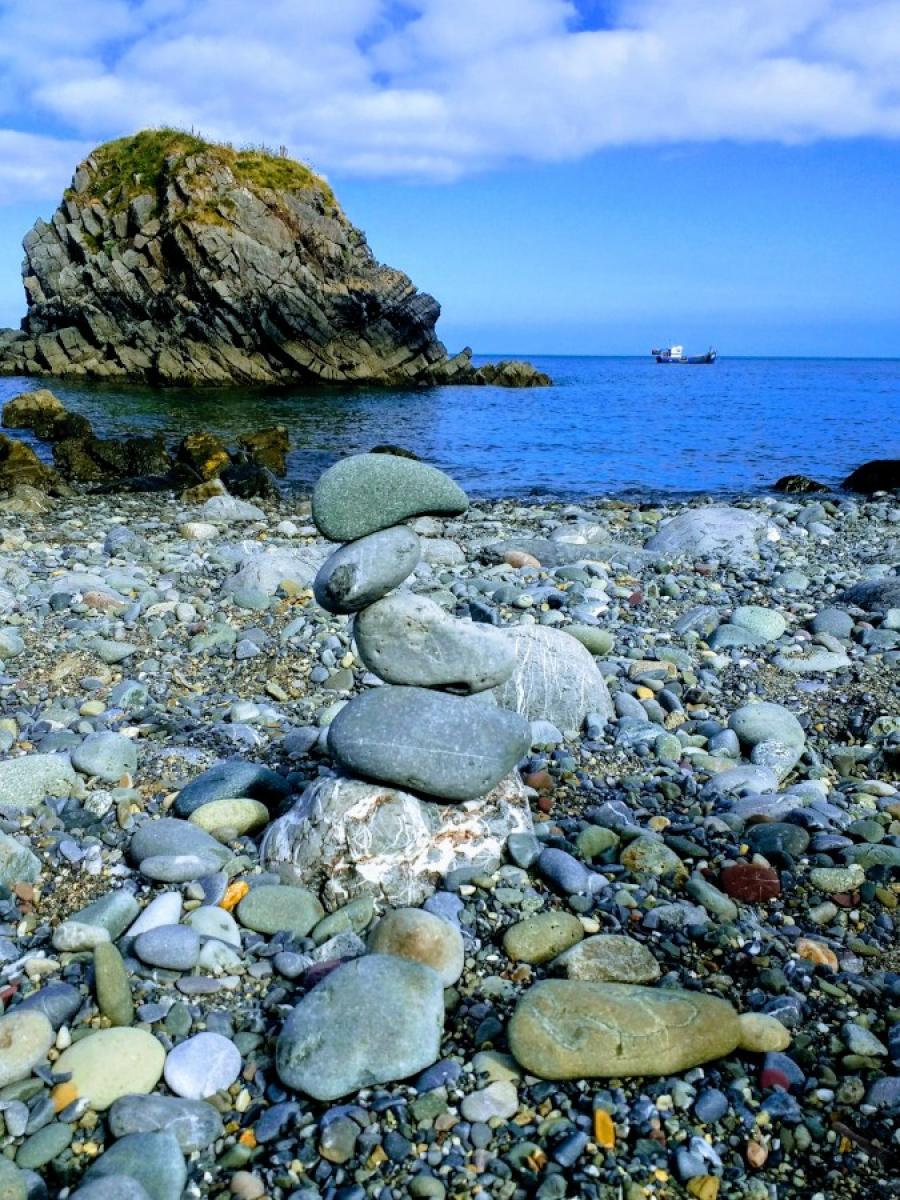
Yorkshire Coast one of Britain’s finest fossil-finding regions. Redcar, Runswick Bay, Saltwick Bay, and Filey Bay offer some of the best opportunities, but fossils can be found on every shingle beach from Teesside all the way down to Spurn Point.
Yorkshire Coast Rocks! provide a wide range of information about fossil hunting in the area, and also run guided fossil hunting tours. Earth Science Outreach UK, organizers of the Yorkshire Fossil Festival and other events, are also happy to help.
Remember to only collect fossils from beach shingle. The cliffs are dangerous and rock falls are common: never excavate anything directly from the cliffs themselves. Some sites on the Yorkshire coast are Sites of Special Scientific Interest and collecting in these areas may not be allowed. Check the section Fossil collecting laws: what you should know before you go for details about those areas.

How to collect fossils safely
You should only collect loose fossils from the foreshore. Collecting fossils from cliffs or embedded in rock can be dangerous and requires permission from the landowner.
Check any legal restrictions on where you are heading: the section Fossil collecting laws: what you should know before you go contains more details.
Follow these guidelines to find fossils safely:
- Check weather conditions before you leave and dress appropriately
- Check tide times and only walk along the beach on a falling tide
- Never hammer or dig into cliffs and keep a safe distance from their base. Cliffs erode quickly and can colapse without notice
- If you are using a hammer to crack open pebbles, wear safety glasses
- Tell someone where you are going and when you will be back
- Take a fully charged mobile phone
Fossil collecting laws: what you should know before you go
You are able to collect loose fossils on the majority of beaches around England and Wales without restriction. Ammonites, belemnites, and many invertebrate fossils are very common and are fun and inspiring objects to collect and own. Some specimens, however, might be scientifically important. See What you should do if you find a rare or scientifically significant fossil to find out what to do.
Scotland has a separate Scottish Fossil Code, administered by NatureScot. If you are collecting in Scotland, you should consult the Code before collecting.
To collect in situ fossils, including in cliffs, you should always seek permission from the landowner or land management agency. You could be prosecuted for stealing if you remove fossils without permission.
On the Jurassic Coast World Heritage Site, if you find a fossil that you think might be rare, notify the Charmouth Heritage Coast Centre so that it can be recorded.
Fossil collecting is not permitted in Sites of Special Scientific Interest (SSSI) designated for their geology, although generally collecting fossils in beach shingle is still allowed.
You can find out whether the area you are going is an SSSI by using this Natural England map. If the area you are collecting in is designated as an SSSI, you can find out about the reasons for its designation by searching for it using the Natural England search tool.
What you should do if you find a rare or scientifically significant fossil
Many fossils, including most common invertebrates (animals that lack a backbone), such as ammonites, belemnites, sea urchins and shells, are abundant and there are many already in museums. This means that their importance for our understanding of past life on Earth is not that significant.
However, you may find a fossil that is rare and important. If you find a fossil that consists of more than one bone in association, it could be scientifically significant. You should take the following steps:
- Record your location. You can do this by dropping a pin on your location on the maps app on your mobile phone, by recording the grid reference if you have a map, or by recording GPS coordinates.
- Take some photographs of the specimen. Photograph it in situ where you found it. Take close up shots, and some that are further away with background features that would allow the location to be found again. Put something in the photos for scale. A hammer, pen, coin or lens cap are all useful scales, but if you don’t have any of these, use your hand or foot.
- If the specimen is still in the rock, take a sample of rock. This contains important contextual data that allow palaeontologists to date the fossil and understand the environment in which it lived.
- Leave the fossil in the ground and seek guidance from the local museum or the Natural History Museum (see Get your fossils identified), unless the specimen is likely to be destroyed by, for example, the next high tide. If the specimen is likely to be destroyed, you should carefully remove it.
- Get your fossil identified.

Get your fossils identified
The Natural History Museum’s Centre for UK Nature provides an identification service where your fossils will be identified by an expert. The service does not require you to visit the museum: instead, you can email or upload photos. The Natural History Museum does not provide valuations.
If you are collecting in an area of the UK famous for its fossils, it is likely that there will be a local museum or geology group where you can take your fossils for identification.